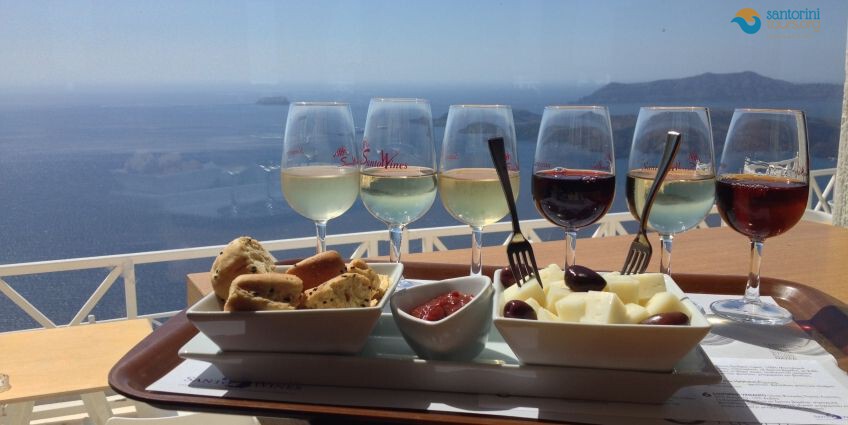
Santorini is famous for caldera views and whitewashed villages, but its wine culture is just as memorable. The island’s volcanic soil, dry climate, and centuries-old growing methods produce bottles that taste distinctly of place, crisp, mineral-driven, and unlike what most of us try elsewhere. If we’re planning a Santorini wine tour, it helps to know which experiences are actually worth our time, how the wine museum in Santorini fits into the day, and what a proper tasting looks like. Here’s how to build a visit that feels relaxed, informed, and genuinely delicious.
Why A Santorini Wine Tour Is Worth It
A Santorini wine tour isn’t just a pleasant add-on between beach stops and sunset photos. It’s one of the best ways to understand the island itself.
Santorini’s vineyards are shaped by extreme conditions: powerful winds, little rainfall, intense sun, and volcanic ground rich in minerals. In response, growers developed the island’s famous kouloura method, training vines into low basket shapes that shield grapes from wind and trap precious moisture. It’s practical, ingenious, and very Santorini.
What does that mean in the glass? Usually, wines with tension, salinity, and sharp definition. Assyrtiko is the headline grape for good reason. At its best, it’s bone-dry, citrusy, structured, and distinctly mineral, often with a smoky edge that people immediately associate with volcanic terroir. We’ll also find Aidani and Athiri in many white blends, plus the island’s well-known sweet style, Vinsanto, made from sun-dried grapes.
A good tasting brings all of that into focus faster than reading ten guidebooks ever could. We get the story of the land, the farming, the grapes, and the families behind them, usually while sitting on a terrace with a ridiculous view. Hard to complain about that.
There’s also real convenience in doing a tour rather than piecing everything together ourselves. Roads can be narrow, parking can be frustrating, and if we want to taste properly, driving becomes the obvious weak point in the plan. Many Santorini wine tour options include transportation, a set route, and visits to two or three wineries, which turns the day from logistical puzzle into actual vacation.
And unlike some heavily commercial wine destinations, Santorini still feels specific. We’re not just tasting “good Greek wine.” We’re tasting wines that are deeply tied to one island, one climate, and one very stubborn landscape.
How To Experience The Wine Museum In Santorini And What To Expect From A Tasting
If there’s one stop that adds context to a tasting day, it’s the wine museum in Santorini. The most famous one on the island is housed in an underground cave setting, which already gives the visit a bit more atmosphere than a standard museum walk-through. Instead of feeling detached from the subject, we’re literally inside a space that mirrors Santorini’s relationship with the earth.
The museum experience usually focuses on the history of local winemaking from older generations to modern production. We’ll see tools, reconstructed workspaces, and exhibits that explain how people cultivated vines before today’s technology made things easier. It’s a smart stop to do early in the day because the rest of our winery visits make more sense afterward.
For anyone wondering whether it’s overly academic, usually, no. It’s accessible, compact enough to hold our attention, and useful even if we’re casual wine drinkers. We don’t need sommelier-level knowledge to enjoy it.
The tasting that follows is where the museum visit pays off. Most Santorini tastings include a small flight of local wines, often beginning with dry whites and ending with a dessert wine like Vinsanto. Staff typically explain the grape varieties, why Assyrtiko handles the island’s conditions so well, and what to notice in aroma, texture, and finish.
A few things to expect:
- Small pours, multiple wines rather than one full glass
- Guided commentary about grapes, food pairings, and production
- Snacks or light pairings, often local cheese, bread, or olives
- A stronger emphasis on terroir and tradition than flashy wine jargon
The key is to taste slowly. Santorini wines can be subtle at first, then surprisingly intense. A sharp saline note, lemon peel, white flowers, wet stone, those details start showing up when we stop rushing. And yes, if we love a bottle, buying it on-site is common. It’s often the easiest way to take a little of the island home with us.
How To Choose The Right Tour, Wineries, And Timing For Your Visit
Not every Santorini wine tour is built the same, so it’s worth choosing based on what kind of day we actually want.
If convenience is the priority, a small-group guided tour is usually the sweet spot. We get transportation, a structured schedule, and enough explanation to learn something without turning the day into a lecture. Private tours cost more, of course, but they’re ideal if we want flexibility, a slower pace, or a more romantic setup.
When comparing tours, we should look for a few basics:
- Number of wineries visited: two to four is usually perfect
- Whether the wine museum in Santorini is included
- Pickup and drop-off from our hotel
- Food pairings or lunch versus wine only
- Tour length, especially if we have sunset plans later
As for wineries, variety matters. Instead of choosing three places that offer the same style and view, it’s better to mix experiences. One estate might be known for classic Assyrtiko, another for Vinsanto, another for a stronger educational component or dramatic caldera setting. A balanced itinerary keeps the day interesting.
Timing matters more than people think. The best months for comfortable touring are generally late spring through early fall, though July and August can be hot, crowded, and a bit relentless by midday. In those peak months, morning and late-afternoon tours are far more pleasant than noon departures. Shoulder season, May, June, September, and early October, often gives us the best combination of weather, availability, and atmosphere.
Booking ahead is smart, especially for popular wineries and museum-inclusive tours. Santorini’s top experiences fill quickly, and last-minute planning can leave us with awkward time slots or limited options.
One more practical tip: don’t overpack the day. A wine tasting sounds gentle, but after sun, travel, and several pours, energy drops faster than expected. If we can, we should leave room for a slow dinner afterward rather than trying to squeeze in beaches, a catamaran cruise, and a full wine circuit all on the same day. Ambition is admirable. On Santorini, pacing wins.
Conclusion
A great Santorini wine tour combines three things: distinctive wines, real local context, and an easy rhythm that lets us enjoy both. If we include the wine museum in Santorini, choose wineries with some contrast, and book the right time slot, the experience becomes more than a tasting, it becomes one of the most rewarding days on the island.
See more Santorini Tours:
- How to spend the perfect day in Santorini?
- Is Santorini in October 2024 worth visiting?
- 5 + 1 reasons to visit Santorini in fall 2024
- Why September and October are the best months to visit Santorini in 2024?
- 3 + 1 things you must see in a Santorini tour
- 7 things you must experience in Santorini in 2024
Read more in Cryptofinance.